
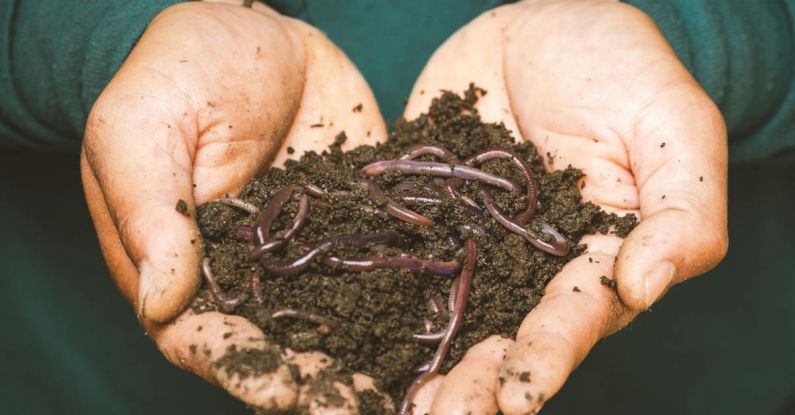
Composting is a simple and effective way to reduce waste and create nutrient-rich soil for your garden. Whether you have a large backyard or a small balcony, you can start composting at home with just a few basic steps. In this article, we will guide you through the process of starting your own compost pile or bin, so you can enjoy the benefits of this sustainable practice.
Choose the Right Location
The first step in starting a composting system at home is to choose the right location. Ideally, you should place your compost pile or bin in a spot that receives partial sunlight. This will help to maintain a consistent temperature and promote the decomposition process. Avoid placing your compost pile in direct sunlight, as it can dry out and slow down the decomposition process.
Gather the Right Materials
To create a successful compost pile, you need a mixture of green and brown materials. Green materials include fruit and vegetable scraps, coffee grounds, and grass clippings. Brown materials include dried leaves, straw, and shredded newspaper. Aim for a ratio of three parts brown materials to one part green materials. This balance will ensure that your compost pile has the right amount of nitrogen and carbon for decomposition.
Build Your Compost Pile
Once you have gathered the necessary materials, it’s time to build your compost pile. Start by laying down a layer of brown materials as a base. Next, add a layer of green materials on top. Continue alternating layers of brown and green materials until your pile is about three feet high. Be sure to water each layer as you go to keep the compost pile moist. This will help to speed up the decomposition process.
Maintain the Compost Pile
To keep your compost pile healthy and productive, it’s important to maintain it properly. Turn the pile every two to three weeks with a pitchfork or shovel to aerate it and promote decomposition. If the pile becomes too dry, add water to keep it moist. If it becomes too wet, add more brown materials to balance the moisture. Regularly check the temperature of the pile, as it should be between 120 to 160 degrees Fahrenheit for efficient decomposition.
Troubleshooting Common Issues
While composting is a relatively simple process, there may be some common issues that arise. If your compost pile starts to smell, it may be too wet or not getting enough air. Simply add more brown materials and turn the pile to fix the issue. If your pile isn’t breaking down, it may be lacking nitrogen. Add more green materials to provide the necessary nutrients. If you notice pests in your compost pile, avoid adding meat, dairy, or oily foods, as they can attract unwanted critters.
Using Your Finished Compost
Once your compost has fully decomposed, it will be dark, crumbly, and have a pleasant earthy smell. This is a sign that it is ready to be used in your garden. Spread the finished compost around your plants as a natural fertilizer and soil amendment. It will improve soil structure, retain moisture, and provide essential nutrients for healthy plant growth.
In conclusion, starting composting at home is a rewarding and eco-friendly practice. By following these simple steps, you can create nutrient-rich soil for your garden while reducing waste. Choose the right location, gather the right materials, build and maintain your compost pile, and troubleshoot any issues that arise. Before you know it, you’ll have a thriving compost system that will benefit both your garden and the environment.