
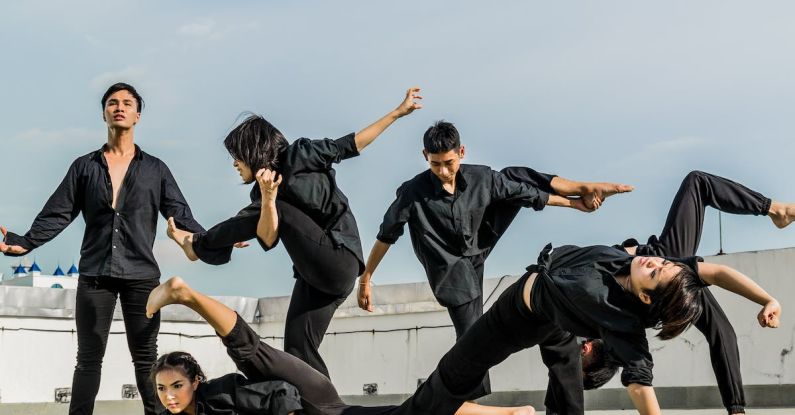
Flexibility and balance are essential components of overall fitness and well-being. Whether you’re an athlete aiming to enhance your performance or simply want to move more freely and prevent injuries, working on flexibility and balance can bring numerous benefits. In this article, we will explore some effective methods to improve these two crucial aspects of physical fitness.
Stretching for Improved Flexibility
Stretching exercises are a widely recognized method to improve flexibility. Regular stretching can help lengthen your muscles, improve joint range of motion, and increase overall flexibility. Here are some effective stretching techniques to incorporate into your routine:
1. Static Stretching: This involves holding a stretch for 15-30 seconds without moving. Focus on stretching major muscle groups such as hamstrings, quadriceps, calves, and shoulders. Remember to breathe deeply and relax into each stretch.
2. Dynamic Stretching: This type of stretching involves moving parts of your body through a full range of motion. Examples include arm circles, leg swings, and walking lunges. Dynamic stretching helps warm up your muscles and prepares them for physical activity.
3. Proprioceptive Neuromuscular Facilitation (PNF): PNF stretching utilizes a combination of contracting and relaxing muscles to improve flexibility. It involves a partner or a resistance band to provide resistance during stretches. PNF stretching is particularly effective for increasing flexibility in specific muscle groups.
4. Yoga and Pilates: Both yoga and Pilates incorporate stretching poses and exercises that promote flexibility and balance. These practices also focus on breathing and mindfulness, enhancing mind-body connection. Consider joining a class or following online tutorials to reap the benefits of these disciplines.
5. Foam Rolling: Foam rolling, also known as self-myofascial release, uses a foam roller to apply pressure to tight muscles and fascia. It helps release tension, improve blood flow, and increase flexibility. Incorporate foam rolling into your warm-up or cool-down routine.
Balance Exercises for Stability
Improving balance is essential for everyday activities, as well as for preventing falls and injuries. Engaging in balance exercises can train your body to maintain stability and coordination. Here are some effective balance exercises to include in your workouts:
1. Single-Leg Stance: Stand on one leg while maintaining your balance for 30-60 seconds. Challenge yourself by closing your eyes or performing small movements with your non-standing leg. Repeat on the other leg.
2. Heel-to-Toe Walk: Walk in a straight line, placing the heel of one foot in front of the toes of the other foot with each step. This exercise challenges your balance and coordination.
3. Yoga Tree Pose: Stand tall with your feet hip-width apart. Shift your weight onto one foot and place the sole of the opposite foot on the inner thigh of your standing leg. Find a focal point to help you maintain balance. Switch sides and repeat.
4. Tai Chi: Tai Chi is a martial art that focuses on slow, deliberate movements and deep breathing. It improves balance, flexibility, and overall well-being. Consider taking a Tai Chi class or following online tutorials.
5. Balance Board Exercises: Using a balance board or wobble board can help enhance stability and proprioception. Stand on the board and try to maintain balance while performing exercises like squats or arm movements.
Incorporate these exercises into your fitness routine and aim to practice them regularly. Start with a few minutes each day and gradually increase the duration and intensity as you progress. Remember to listen to your body and avoid pushing yourself too hard, especially if you’re a beginner.
In conclusion, improving flexibility and balance is a valuable investment in your physical fitness and overall well-being. By incorporating stretching exercises and balance training into your routine, you can enhance your range of motion, prevent injuries, and improve stability. Make it a priority to include these exercises in your workouts, and enjoy the benefits of increased flexibility and balance.