
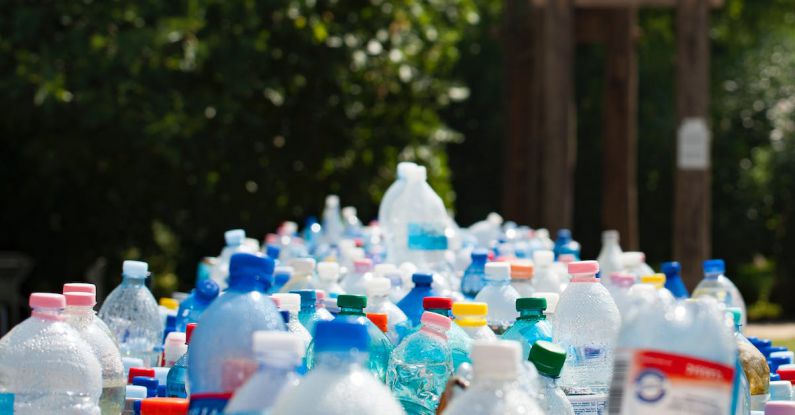
Recycling is an essential practice that helps to conserve natural resources, reduce waste, and protect the environment. However, not all recycling efforts are equal, and it’s important to understand the best practices for recycling to ensure that our efforts are effective. In this article, we will explore some of the most important guidelines for successful recycling.
Understanding the Recycling Symbols
Before we delve into the best practices for recycling, it’s important to familiarize ourselves with the recycling symbols that are commonly found on packaging. These symbols provide valuable information about the recyclability of the material. The most well-known symbol is the Mobius loop, which consists of three chasing arrows. This symbol indicates that the item is recyclable. However, it’s important to note that not all items with this symbol can be recycled in all recycling programs. Therefore, it’s crucial to check with your local recycling facility for specific guidelines.
Separate and Clean
One of the key best practices for recycling is to separate different materials and keep them clean. This means sorting paper, plastic, glass, and metal into separate bins or bags. By separating the materials, it becomes easier for recycling facilities to process them efficiently. Additionally, it’s essential to ensure that the items are clean and free from any residual food or liquid. Contaminated materials can contaminate the entire batch, making it unsuitable for recycling.
Reduce and Reuse
While recycling is important, it’s even better to reduce and reuse whenever possible. By reducing our consumption and reusing items, we can minimize the amount of waste that ends up in landfills. For example, instead of buying single-use water bottles, using a refillable water bottle is a great way to reduce waste. Similarly, opting for reusable shopping bags instead of disposable plastic bags can significantly reduce the amount of plastic waste generated.
Know What Can and Cannot be Recycled
One of the common mistakes people make when recycling is including items that are not recyclable. To ensure that our recycling efforts are effective, it’s crucial to know what can and cannot be recycled. Some common items that cannot be recycled include plastic bags, Styrofoam, and certain types of plastic packaging. These items should be disposed of in the appropriate manner, rather than being placed in the recycling bin.
Buy Recycled Products
Supporting the recycling industry is another important aspect of successful recycling. By purchasing products made from recycled materials, we create a demand for recycled goods, which helps to close the recycling loop. Look for products with labels or certifications that indicate they are made from recycled materials. This encourages manufacturers to use recycled materials in their production processes, further reducing the need for new resources.
Spread the Word
Lastly, one of the best practices for recycling is to spread awareness and encourage others to recycle. By educating our friends, family, and community about the importance of recycling, we can inspire others to adopt sustainable practices. This can be done through social media, community events, or simply by leading by example. The more people we can get on board with recycling, the greater the positive impact we can make on the environment.
In conclusion, recycling is a vital practice that helps to protect our planet and conserve valuable resources. By following the best practices for recycling, such as understanding recycling symbols, separating and cleaning materials, reducing and reusing, knowing what can and cannot be recycled, buying recycled products, and spreading the word, we can maximize the effectiveness of our recycling efforts. Let’s all do our part to create a more sustainable future.