
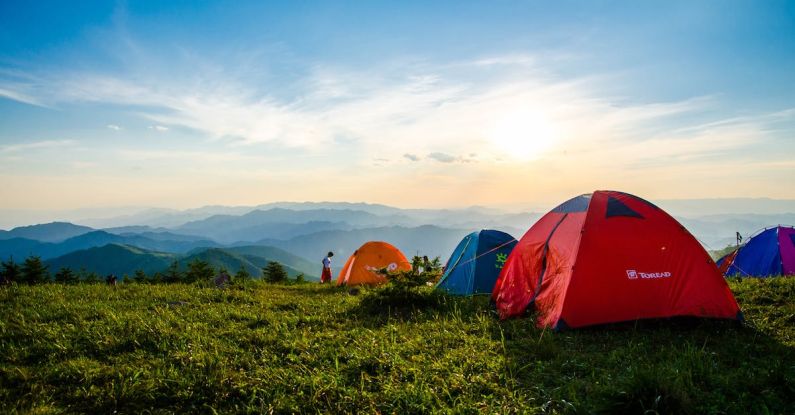
Camping trips are a great way to connect with nature, relax, and unwind from the stresses of everyday life. Whether you’re a seasoned camper or a newbie, planning a camping trip requires careful consideration and preparation. In this article, we will guide you through the essential steps to help you plan a successful and enjoyable camping adventure.
Choose the Right Destination
The first step in planning a camping trip is to choose the right destination. Consider what type of camping experience you’re looking for. Do you prefer a remote wilderness setting or a campground with amenities like showers and electricity? Research different locations and take into account factors such as accessibility, weather conditions, and the activities available in the area.
Decide on the Duration of Your Trip
Next, determine how long you want your camping trip to be. Consider your schedule, the time you have available, and how much time you want to spend at the campsite. If you’re a beginner, it’s a good idea to start with a shorter trip to get a feel for camping before venturing on longer journeys.
Make a Checklist
To ensure you don’t forget any essential items, create a checklist of everything you’ll need for your camping trip. Include camping gear such as a tent, sleeping bags, cooking utensils, and a first aid kit. Don’t forget to pack appropriate clothing for the weather conditions and any specific activities you plan to do.
Prepare Meals and Snacks
Planning your meals in advance can save you time and make your camping experience more enjoyable. Decide what meals you’ll be cooking at the campsite and make a shopping list of the ingredients you’ll need. Opt for easy-to-prepare meals that require minimal cooking equipment and consider packing snacks for in-between meals.
Check your Gear
Before heading out, ensure that all your camping gear is in good condition. Set up your tent to make sure all the parts are intact and functioning properly. Test your camping stove and check that you have enough fuel. Inspect your sleeping bags for any tears or damage. Taking the time to check your gear beforehand will help avoid any unpleasant surprises at the campsite.
Plan Activities
While camping is a great opportunity to relax and disconnect, planning some activities can enhance your experience. Research the area where you’ll be camping and look for nearby hiking trails, fishing spots, or swimming areas. Make a list of activities you’d like to do and plan your days accordingly, allowing for flexibility and unexpected discoveries.
Pack Properly
When packing for your camping trip, aim to pack efficiently and minimize unnecessary items. Organize your gear and clothing in separate bags or containers to keep things tidy and easily accessible. Don’t forget essentials like a flashlight, matches, and a multi-purpose tool. It’s also a good idea to pack some extra layers of clothing to prepare for changing weather conditions.
Leave No Trace
As responsible campers, it’s important to leave the campsite as you found it, if not better. Follow the principles of Leave No Trace by packing out all your trash, refraining from damaging vegetation, and respecting wildlife. Leave the campsite better than you found it by picking up any litter you come across, even if it’s not yours.
In conclusion, planning a camping trip requires careful consideration and preparation. By choosing the right destination, packing the essentials, and planning activities, you can ensure a successful and enjoyable camping experience. Remember to leave no trace and leave the campsite better than you found it. Happy camping!