
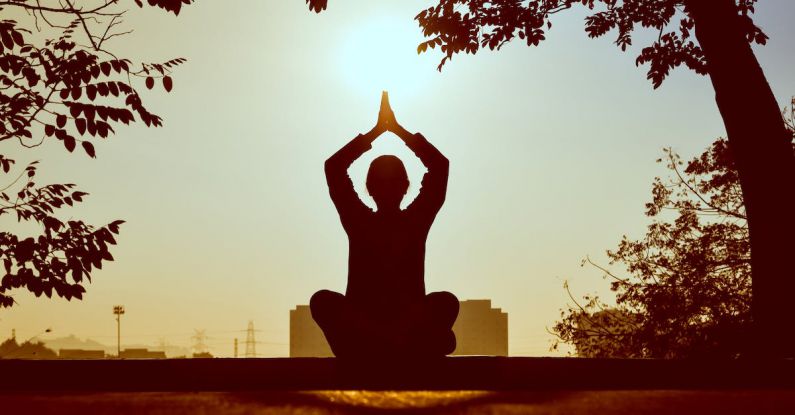
In today’s fast-paced and hectic world, it is easy to feel overwhelmed and stressed. Many people are turning to meditation as a way to find peace and balance in their lives. Meditation has been practiced for thousands of years and has numerous benefits for both the mind and body. If you’re interested in incorporating meditation into your routine, here are some tips to help you get started.
Understanding the Basics of Meditation
Before diving into meditation, it’s important to understand the basics. Meditation is a practice that involves focusing your mind and eliminating the stream of thoughts that often clutter our minds. It can be done in various ways, including sitting in a quiet space, focusing on your breath, or repeating a mantra. The goal is to achieve a state of deep relaxation and inner peace.
Start Small
When beginning your meditation journey, it’s important to start small. Trying to meditate for long periods of time right from the start can be overwhelming and discouraging. Instead, start with just a few minutes a day and gradually increase the duration as you become more comfortable. Even just five minutes of meditation can have a positive impact on your well-being.
Create a Dedicated Space
Having a dedicated space for meditation can help create a sense of calm and focus. Find a quiet corner in your home where you can set up a comfortable cushion or chair. Decorate the space with objects that bring you joy and peace, such as candles, plants, or meaningful artwork. Having a designated area for meditation will make it easier to incorporate into your daily routine.
Establish a Routine
Consistency is key when it comes to meditation. Establishing a regular meditation routine will make it easier to stick with the practice. Choose a specific time of day that works best for you, whether it’s first thing in the morning or before bed. By making meditation a part of your daily routine, it will become a habit that you look forward to.
Set Realistic Goals
When starting out, it’s important to set realistic goals for your meditation practice. Instead of aiming for hours of meditation each day, start with a more achievable goal, such as meditating for 10 minutes a day. As you become more comfortable and experienced, you can gradually increase the duration. Setting realistic goals will help you stay motivated and avoid feeling overwhelmed.
Experiment with Different Techniques
There are many different meditation techniques to choose from, so don’t be afraid to experiment and find what works best for you. Some people find that focusing on their breath is the most effective, while others prefer guided meditations or visualization techniques. Trying out different techniques will help you discover what resonates with you and allows you to achieve a deeper state of relaxation.
Stay Consistent
As with any new habit, consistency is key. Even on days when you don’t feel like meditating, try to push through and make the time for it. Consistency will help you reap the full benefits of meditation, including reduced stress, increased focus, and improved overall well-being. Remember that even a few minutes of meditation is better than none at all.
Incorporating meditation into your routine can have a profound impact on your life. By starting small, creating a dedicated space, and establishing a regular routine, you can make meditation a daily practice that brings peace and balance to your life. Remember to set realistic goals, experiment with different techniques, and stay consistent. With time and practice, you will find that meditation becomes an essential part of your daily routine.