
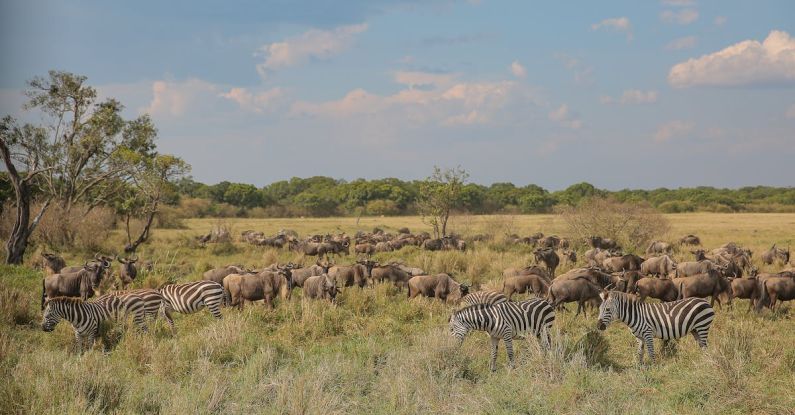
Wildlife safaris have become increasingly popular in recent years, offering participants the opportunity to witness majestic animals in their natural habitats. However, as the demand for these experiences grows, so does the concern over their ethical and safety implications. Are wildlife safaris truly ethical and safe, or do they pose a threat to the well-being of animals and tourists alike? This article will delve into the complexities of this issue, examining both sides of the argument.
The Ethical Considerations
One of the primary ethical concerns surrounding wildlife safaris is the impact they may have on the animals themselves. Critics argue that safaris disrupt the natural behavior patterns of wildlife and can cause stress and anxiety among the animals. They suggest that the constant presence of tourists can lead to habituation, altering the animals’ natural instincts and potentially putting them at risk.
Furthermore, there are concerns about the welfare of animals during safari experiences. Some operators may prioritize profits over animal welfare, leading to overcrowding and poor living conditions for captive animals. It is crucial for tourists to research and choose responsible operators who prioritize the well-being of their animal residents.
On the other hand, proponents of wildlife safaris argue that these experiences can actually benefit conservation efforts. By generating income from tourism, wildlife reserves can fund conservation initiatives, including anti-poaching efforts and habitat preservation. In this way, wildlife safaris can contribute to the long-term protection of endangered species and their habitats.
The Safety Considerations
Safety is another critical aspect to consider when evaluating wildlife safaris. While seeing animals up close can be awe-inspiring, it also comes with inherent risks. Wild animals are unpredictable, and there have been instances where tourists have been injured or killed during safari encounters. It is crucial for participants to follow the instructions of experienced guides and maintain a safe distance from the animals.
Moreover, there is a growing concern over the impact of wildlife safaris on local communities. In some cases, the influx of tourists can disrupt the delicate balance of ecosystems and put pressure on limited resources. It is essential for safari operators to work closely with local communities to ensure that tourism benefits both the wildlife and the people who live in these areas.
Finding a Balance
With the ethical and safety concerns in mind, it is essential to find a balance that allows for responsible wildlife tourism. This can be achieved through the following measures:
1. Education and Awareness: Tourists should be educated about the potential impact of their actions on the animals and the environment. This can help to foster a sense of responsibility and mindfulness during safari experiences.
2. Responsible Operators: It is crucial for tourists to choose safari operators that prioritize ethical practices and animal welfare. Researching and selecting operators who adhere to sustainable tourism guidelines can make a significant difference.
3. Conservation Initiatives: Wildlife safaris should actively contribute to conservation efforts by supporting local initiatives and partnering with organizations working towards wildlife protection and habitat preservation.
4. Sustainable Tourism Practices: Tourism should be carried out in a sustainable manner, ensuring that the number of visitors is carefully managed to prevent overcrowding and degradation of the environment.
Conclusion: Towards Responsible Wildlife Safaris
While the ethical and safety concerns surrounding wildlife safaris are valid, it is possible to enjoy these experiences responsibly. By prioritizing animal welfare, supporting conservation initiatives, and practicing sustainable tourism, we can ensure that wildlife safaris contribute to the long-term protection of our planet’s incredible biodiversity. Let us strive for responsible wildlife tourism that respects the animals, the environment, and the local communities that call these habitats home.