
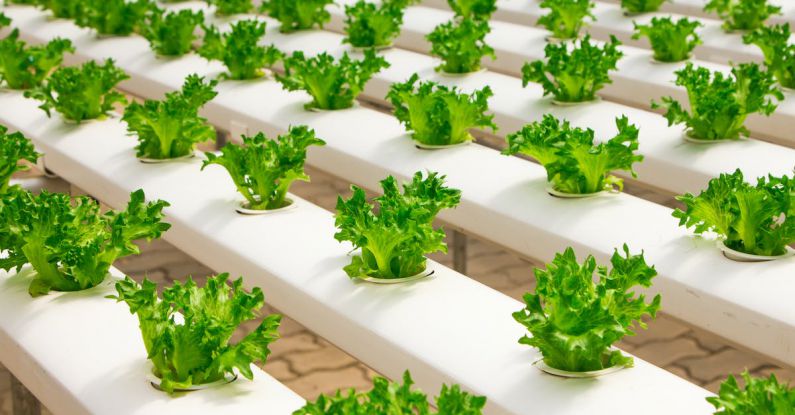
Organic farming is a method of agriculture that relies on natural processes and products to produce crops and raise livestock. It is a sustainable and environmentally-friendly approach that has gained popularity in recent years. Organic farming offers numerous benefits, both for the environment and for human health. In this article, we will explore some of the key advantages of organic farming.
Preserving Soil Health
One of the primary benefits of organic farming is its focus on preserving soil health. Organic farmers prioritize the use of compost, manure, and other natural fertilizers to improve soil fertility. By avoiding synthetic chemicals and genetically modified organisms (GMOs), organic farming helps maintain the natural balance of nutrients in the soil. This leads to healthier and more nutrient-rich crops, while also preventing soil erosion and degradation.
Protecting Water Quality
Conventional farming methods often involve the use of synthetic pesticides and fertilizers, which can leach into water sources and contaminate them. Organic farming, on the other hand, utilizes natural pest control methods and organic fertilizers. As a result, organic farms help protect water quality by minimizing the risk of chemical runoff. This is not only beneficial for aquatic life but also for human consumption, as clean water sources are vital for our overall well-being.
Promoting Biodiversity
Organic farming practices are designed to promote biodiversity and protect natural ecosystems. By avoiding the use of chemical pesticides and herbicides, organic farmers create a safer environment for beneficial insects, birds, and other wildlife. This, in turn, helps maintain a balanced ecosystem and prevents the decline of certain species. Additionally, organic farmers often cultivate a variety of crops, which further enhances biodiversity and reduces the risk of crop failure due to pests or diseases.
Reducing Exposure to Harmful Chemicals
Conventional farming relies heavily on the use of synthetic chemicals, such as pesticides and herbicides, to control pests and weeds. However, these chemicals can have harmful effects on human health. Organic farming, by avoiding the use of such chemicals, reduces the risk of exposure to harmful substances. This is particularly important for farm workers who handle these chemicals regularly. Furthermore, consuming organic produce means lower exposure to pesticide residues, which can have long-term health implications.
Enhancing Nutritional Value
Studies have shown that organic crops generally have higher levels of certain nutrients compared to their conventionally grown counterparts. This can be attributed to the healthier soil conditions in organic farming, which allow plants to absorb more minerals and vitamins. Additionally, organic farming practices prioritize crop rotation and the use of natural fertilizers, which contribute to the overall nutritional quality of the produce. By choosing organic food, consumers can ensure that they are getting the maximum nutritional benefits from their diet.
Supporting Sustainable Agriculture
Organic farming is a sustainable agricultural method that aims to minimize the negative impact on the environment. By avoiding synthetic chemicals, genetically modified organisms, and intensive farming practices, organic farmers contribute to the overall sustainability of food production. Organic farming also encourages the use of renewable resources and reduces greenhouse gas emissions. By supporting organic farming, consumers play an active role in promoting a more sustainable and environmentally-conscious food system.
In conclusion, organic farming offers a range of benefits that cannot be ignored. From preserving soil health to protecting water quality and promoting biodiversity, organic farming is a sustainable and eco-friendly approach to agriculture. Additionally, the reduced exposure to harmful chemicals and enhanced nutritional value of organic crops make them a healthier choice for consumers. By supporting organic farming, we can contribute to a more sustainable future for ourselves and the planet.