
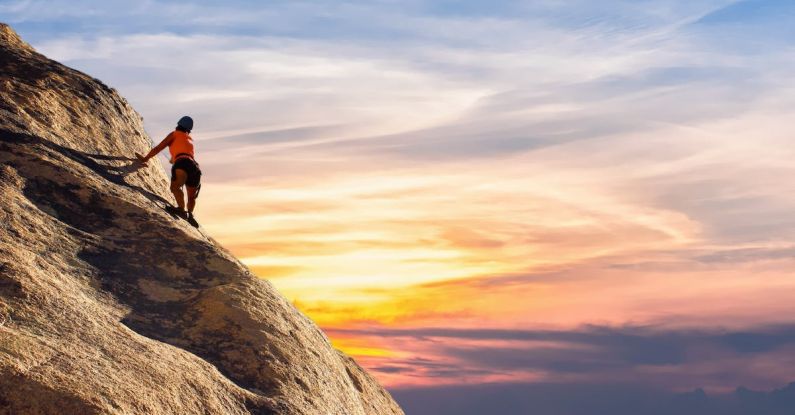
Mountain climbing is a thrilling and rewarding adventure that allows you to challenge yourself physically and mentally while enjoying breathtaking views. However, it requires careful preparation and training to ensure a safe and successful climb. Whether you are a beginner or an experienced climber, here are some essential tips to help you prepare for a mountain climb.
Research and Plan Your Climb
Before embarking on a mountain climb, it is crucial to research and plan your trip thoroughly. Start by selecting a mountain that matches your skill level and experience. Consider factors such as the difficulty level, altitude, weather conditions, and accessibility. Familiarize yourself with the route, potential hazards, and required permits or permissions. This will help you make an informed decision and ensure you are adequately prepared.
Physical Fitness and Training
Mountain climbing demands a high level of physical fitness and endurance. Engage in regular cardiovascular exercises such as running, hiking, or cycling to improve your stamina. Incorporate strength training exercises to build core and upper body strength, as these muscles are heavily used during climbs. Additionally, practice hiking with a backpack loaded with weights to simulate the conditions you will encounter on the mountain. Gradually increase the intensity and duration of your training to build your endurance.
Gear and Equipment
Proper gear and equipment are essential for a safe and comfortable climb. Invest in high-quality hiking boots that provide excellent ankle support and traction. Choose clothing suitable for the expected weather conditions, including layering options for temperature changes. Pack essentials such as a waterproof jacket, hat, gloves, sunglasses, and sunscreen. Don’t forget to carry a headlamp, extra batteries, a map, a compass, a first aid kit, and enough food and water to sustain you throughout the climb.
Acclimatization
Acclimatization is crucial when climbing mountains at high altitudes. It allows your body to gradually adjust to the reduced oxygen levels, reducing the risk of altitude sickness. Plan your climb with acclimatization days, during which you hike to higher altitudes and then descend to sleep at a lower elevation. This process helps your body adapt and reduces the chances of experiencing severe altitude-related symptoms.
Mental Preparation
Mountain climbing is not only physically demanding but also mentally challenging. It requires focus, determination, and the ability to make quick decisions in unpredictable situations. Prepare yourself mentally by visualizing the climb, imagining different scenarios, and planning your responses. Practice deep breathing exercises and meditation techniques to stay calm and focused during challenging moments. Surround yourself with positive and supportive individuals who can provide encouragement and motivation.
Safety Measures
Safety should always be a top priority when mountain climbing. Familiarize yourself with basic mountaineering techniques and safety protocols. Learn how to use essential climbing gear such as ropes, harnesses, carabiners, and crampons. Take a course or hire a guide if you are a beginner or unfamiliar with the specific techniques required for your climb. Always check the weather forecast and be prepared to adjust your plans accordingly. Carry a communication device such as a satellite phone or a personal locator beacon to call for help in case of emergencies.
In Conclusion
Mountain climbing is a challenging yet exhilarating experience that requires careful preparation and training. By researching and planning your climb, focusing on physical fitness and training, gathering the necessary gear and equipment, acclimatizing properly, preparing mentally, and prioritizing safety measures, you can increase your chances of a successful and enjoyable mountain climb. Remember to always respect the mountain and its environment, and never underestimate the risks involved. Stay prepared, stay safe, and enjoy the journey to the summit.