Mixing and matching patterns can be a fun and creative way to spice up your wardrobe or home decor. However, it can also be a daunting task if you’re not sure how to go about it. With a few simple guidelines, you can easily master the art of mixing and matching patterns and create visually stunning and cohesive looks. In this article, we will explore some tips and tricks to help you confidently mix and match patterns like a pro.
Start with a Neutral Base
When mixing patterns, it’s important to start with a neutral base. This can be a solid-colored item or a pattern that acts as a neutral, such as a classic stripe or a small-scale floral. By using a neutral base, you create a foundation that allows other patterns to shine without overwhelming the overall look. It also helps to provide balance and prevent the patterns from clashing.
Consider Scale and Proportion
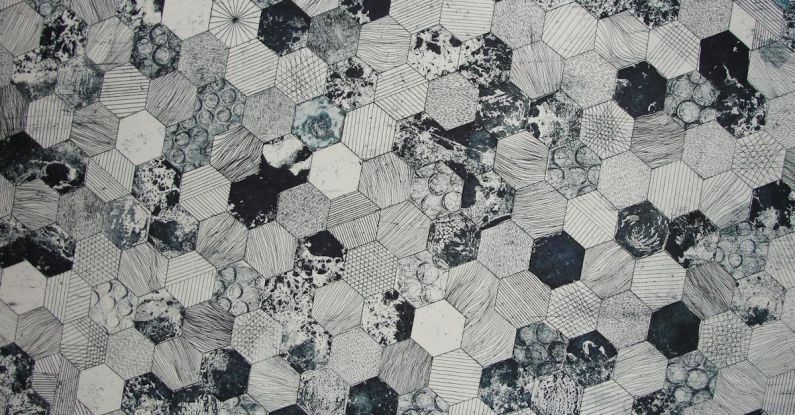
When mixing patterns, it’s crucial to consider the scale and proportion of each pattern. Mixing patterns of different scales adds visual interest and prevents the look from becoming too busy. For example, pairing a large-scale floral print with a small-scale geometric pattern can create a dynamic and balanced look. Similarly, mixing patterns of varying proportions, such as a bold stripe with a delicate polka dot, can add depth and dimension to your outfit or decor.
Choose a Color Palette
Another essential factor in mixing and matching patterns is selecting a cohesive color palette. Stick to two or three dominant colors that are present in all the patterns you plan to use. This will create a sense of unity and make the patterns work harmoniously together. Additionally, choose patterns that have a similar color intensity or hue. For instance, combining pastel floral prints with bold geometric patterns may create a jarring contrast. Instead, opt for patterns that share a similar color intensity, such as pastels with pastels or bolds with bolds.
Mix Different Pattern Types
To create an interesting and dynamic look, mix different pattern types. Experiment with combining stripes, florals, polka dots, plaids, and abstract prints. Mixing pattern types adds texture and depth to your outfit or decor and makes the overall look more visually appealing. Just remember to balance the scale and proportion of each pattern and ensure they share a cohesive color palette.
Use a Unifying Element
To tie the different patterns together and create a cohesive look, incorporate a unifying element. This can be a common color, texture, or motif that is present in each pattern. For example, if you’re mixing patterns in your living room, use throw pillows with a common color or motif that is also present in your curtains or rug. This will create a sense of continuity and make the patterns feel intentional rather than random.
Experiment and Have Fun
Lastly, don’t be afraid to experiment and have fun with mixing and matching patterns. The beauty of this approach is that there are no hard and fast rules. Trust your instincts and let your creativity flow. Mix patterns that you love and that reflect your personal style. Remember, fashion and decor are all about self-expression, so embrace your individuality and enjoy the process!
In conclusion, mixing and matching patterns can be an exciting way to add visual interest and personality to your outfits or home decor. By following these simple guidelines, you can confidently create stunning and cohesive looks that reflect your unique style. So go ahead, start experimenting, and have fun with patterns!