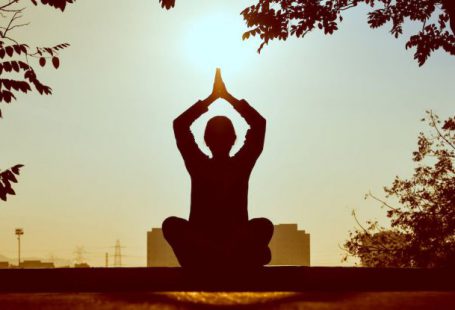

Creating a Personal Wellness Plan
In today’s fast-paced world, it is easy to neglect our personal well-being. We get caught up in work, family responsibilities, and the demands of everyday life. However, taking care of ourselves should be a top priority. A personal wellness plan can help us achieve a healthier and more balanced life. In this article, we will explore how to create a personal wellness plan and the benefits it can bring.
Define Your Goals
The first step in creating a personal wellness plan is to define your goals. What do you want to achieve? Is it to lose weight, reduce stress, or improve your overall fitness? Take some time to reflect on what is most important to you and what areas of your life you would like to improve.
Identify Areas of Focus
Once you have defined your goals, the next step is to identify the areas of your life that need attention. This could include physical health, mental well-being, relationships, or career. By breaking down your goals into specific areas, you can create a more targeted and effective wellness plan.
Develop a Routine
Creating a routine is essential in maintaining a personal wellness plan. It helps establish healthy habits and ensures that you are consistently working towards your goals. Whether it’s scheduling regular exercise, setting aside time for self-care, or prioritizing healthy eating, having a routine can make it easier to stay on track.
Set Realistic Expectations
When creating a personal wellness plan, it is important to set realistic expectations. Rome wasn’t built in a day, and neither will your wellness journey. Be patient with yourself and understand that change takes time. Set small, achievable goals along the way and celebrate your progress. This will keep you motivated and prevent you from getting overwhelmed.
Take a Holistic Approach
Wellness is not just about physical health. It encompasses all aspects of our lives. Taking a holistic approach means considering the mind, body, and spirit. Incorporate activities that nourish your mental well-being, such as meditation or journaling. Find ways to connect with nature or engage in activities that bring you joy. Taking care of your whole self will lead to a more balanced and fulfilling life.
Seek Support
Creating a personal wellness plan can be challenging, especially when trying to make significant changes. Seek support from friends, family, or professionals who can help you stay accountable and provide guidance along the way. Joining a fitness group, finding a workout buddy, or working with a wellness coach can all provide the support and motivation you need.
Evaluate and Adjust
As you progress on your wellness journey, it’s important to regularly evaluate your plan and make adjustments as needed. Life is constantly changing, and so are our needs and priorities. Take the time to reassess your goals and make any necessary modifications to your plan. This will ensure that you are always moving forward and staying aligned with your personal well-being.
Incorporate Self-Care
Self-care is a vital component of any personal wellness plan. It involves taking intentional time for yourself and doing activities that recharge and rejuvenate you. This could be anything from taking a bubble bath, reading a book, or going for a walk in nature. Find what brings you joy and make it a regular part of your routine.
In conclusion
Creating a personal wellness plan is an investment in your overall well-being. It allows you to prioritize self-care, set achievable goals, and make positive changes in your life. By following these steps and staying committed to your plan, you can achieve a healthier, more balanced life. Remember, it’s never too late to start taking care of yourself, so why not begin today?